Inheritance is the process by which genetic information is passed from one generation to another. It determines the characteristics of a living organism and explains why....
Plant anatomy is the study of the internal structure of plants. It focuses on how different plant organs, such as roots, stems, and leaves, are made....
Biological molecules, also known as biomolecules, are the organic compounds essential for life. They form the building blocks of all living organisms, playing a key role....
Plant reproduction is the process by which plants create new plants to ensure the survival of their species. It occurs through sexual reproduction and asexual reproduction,....
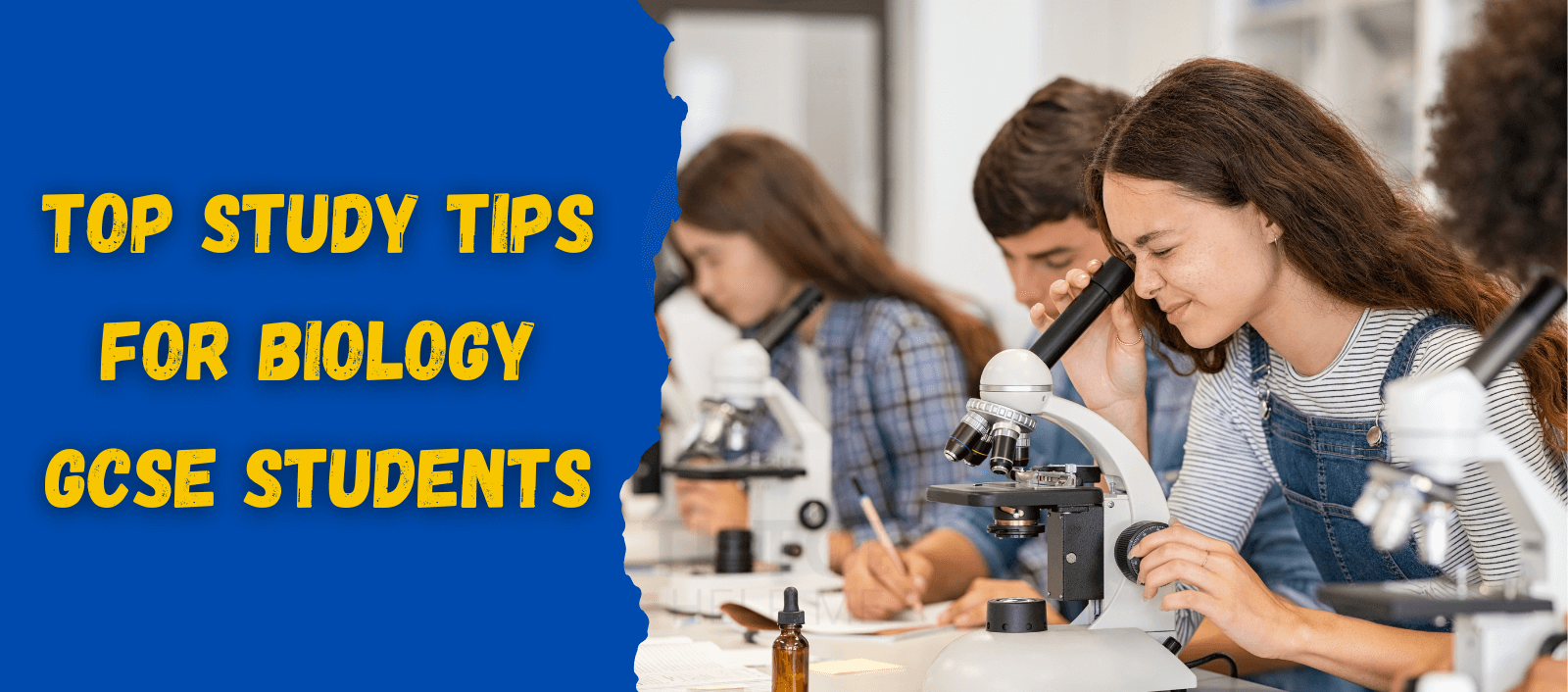
GCSE Biology is a crucial subject that helps students build a strong foundation in cell biology, human biology, and ecology. A solid understanding of biology syllabus....
Molecular biology is the branch of science that studies the structure and function of genetic material, focusing on DNA, RNA, and proteins. It explains how genes....
The cardiovascular system, also known as the circulatory system, is essential for life. This vital organ system consists of the heart and blood vessels, working together....
The nervous system is a complex system that controls the body’s activities, allowing it to respond to changes in the environment. It is responsible for essential....
The human digestive system is a complex network of organs designed to break down food and liquids into nutrients that the body can absorb. These nutrients....
WhatsApp us
Tell us where your child needs support and we'll help identify the right next steps.
Fill in a few details and we'll be in touch to arrange your assessment.