
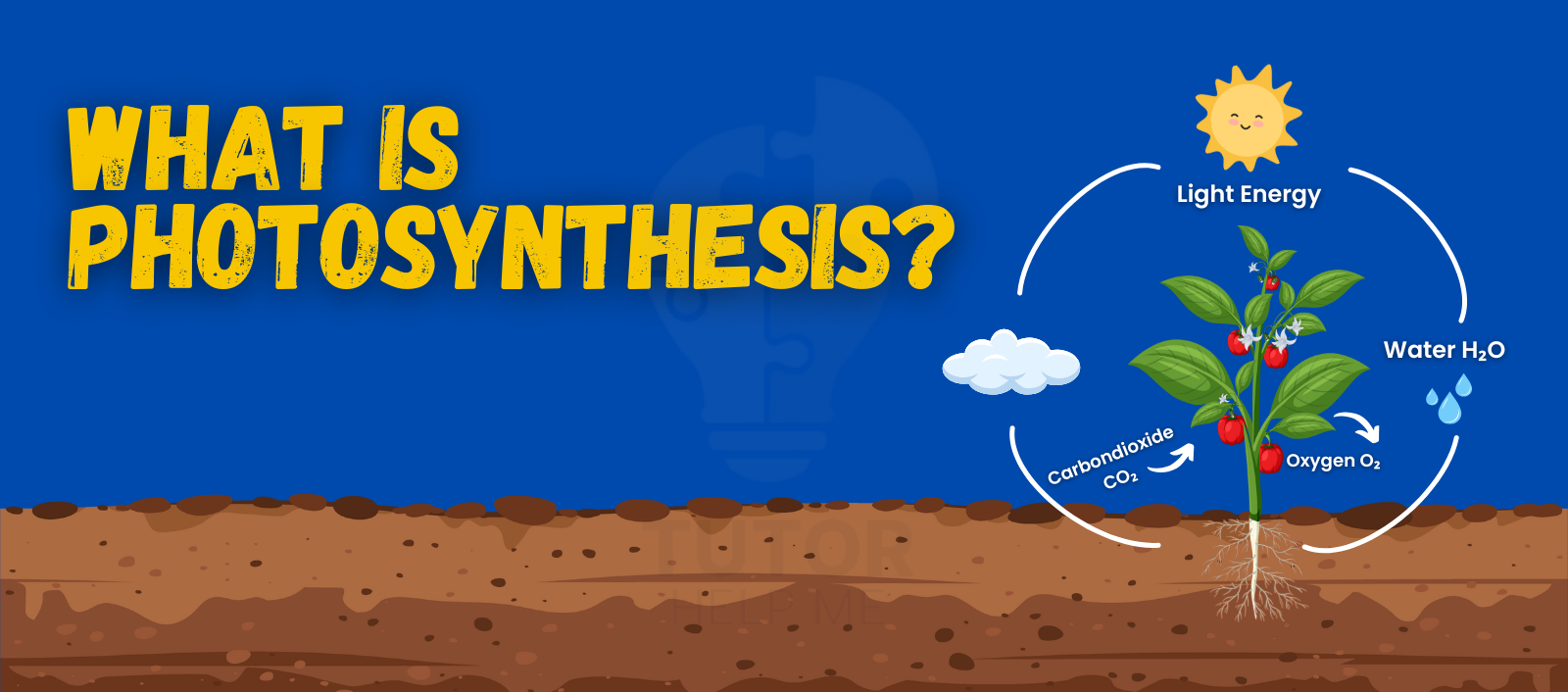
Photosynthesis is the process plants use to make food using sunlight, water, and carbon dioxide.
It produces glucose and oxygen, which help plants grow and support life on Earth.
Photosynthesis also removes carbon dioxide from the atmosphere and maintains oxygen levels.
The basic equation of photosynthesis can be written as:
6CO2 + 6H2O light→ C6H12O6 + 6O2
Plants store the chemical energy produced during photosynthesis, making it the foundation of the food chain.
Let’s now explore where photosynthesis takes place and how it happens inside plant cells.
Where Does Photosynthesis Take Place?
- chloroplasts
- chlorophyll
- algae
- bacteria
How Does Photosynthesis Work Step by Step?
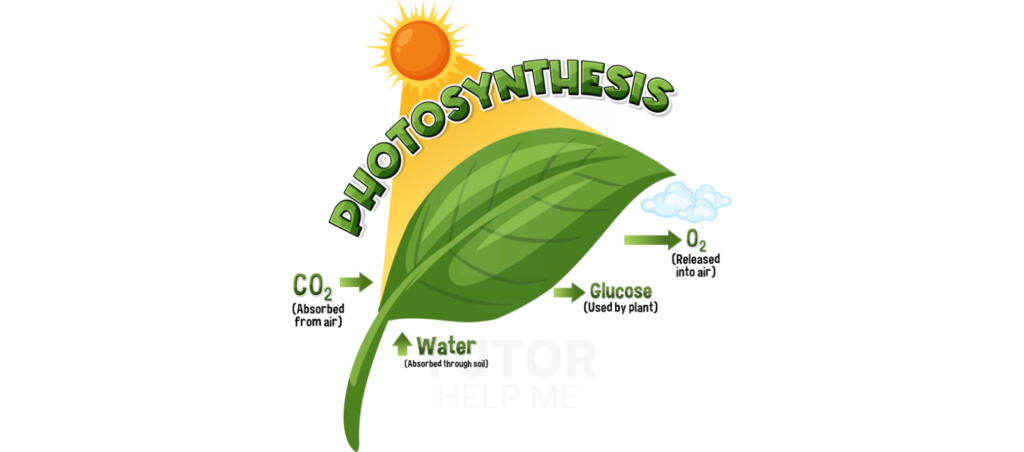
- Absorption of sunlight
- Water uptake
- Carbon dioxide intake
- Glucose production
- Oxygen release
The Process of Photosynthesis
Photosynthesis occurs in two main stages:
- Light-dependent reactions
- Light-independent reactions, also known as the Calvin cycle.
Each stage has a specific role in converting light energy into chemical energy stored as glucose.
These steps explain how plants turn sunlight into food. This clear process will help you understand each stage easily.
1. Light-Dependent Reactions
These reactions happen in the thylakoid membranes of chloroplasts.
- Chlorophyll absorbs sunlight
- Light energy splits water into oxygen, hydrogen ions, and electrons
- Oxygen is released into the air
- Energy is stored in ATP and NADPH
This produces the energy needed for the next stage.
2. Light-Independent Reactions (Calvin Cycle)
These reactions take place in the stroma of chloroplasts.
- Carbon dioxide is absorbed from the air
- ATP and NADPH provide energy
- Carbon dioxide is converted into glucose
- Glucose is stored or used for energy
This results in glucose production for plant growth and energy storage.
Importance of Photosynthesis
Photosynthesis is essential for life on Earth because it supports energy flow and gas balance in ecosystems.
Oxygen Production
Photosynthesis releases oxygen into the atmosphere, which is necessary for the survival of most living organisms.
Food Source
Photosynthesis produces glucose, which is the main source of energy for plants. Animals also depend on this energy through the food chain.
Carbon Dioxide Removal
Photosynthesis absorbs carbon dioxide from the atmosphere, helping maintain gas balance and reduce climate change effects.
Energy Storage
Plants store extra glucose as starch, which can be used later for growth and survival.
Photosynthesis supports the carbon cycle, maintains oxygen levels, and keeps ecosystems stable.
Factors Affecting Photosynthesis
The rate of photosynthesis depends on environmental and internal conditions.
Light Intensity
Light is required for photosynthesis. As light increases, the rate increases until it reaches a limit.
Carbon Dioxide Concentration
Carbon dioxide is a key raw material. Higher levels increase the rate when other conditions are suitable.
Water Availability
Water is essential for light-dependent reactions. A lack of water reduces or stops oxygen production.
Temperature
Photosynthesis depends on enzymes. Low temperatures slow reactions, while high temperatures can damage enzymes.
Chlorophyll Content
Chlorophyll absorbs light energy. More chlorophyll increases the rate of photosynthesis.
Environmental Conditions
Pollution, soil quality, and air conditions can affect the efficiency of photosynthesis.
Photosynthesis works best when all conditions are balanced.
Real-Life Applications of Photosynthesis
Photosynthesis has practical importance beyond its natural role in sustaining ecosystems. Here are some examples:
- Agriculture: Photosynthesis directly affects crop production. Farmers monitor light, water, and nutrients to ensure plants photosynthesize efficiently, increasing food supply.
- Renewable Energy: Scientists are researching artificial photosynthesis to produce clean energy by mimicking natural processes.
- Climate Regulation: Photosynthesis helps absorb excess carbon dioxide, playing a key role in controlling global warming.
- Food Chains: As the primary producers, plants support herbivores and other animals by providing energy through photosynthesis.
- Medicinal Uses: Algae, which carry out photosynthesis, are used in pharmaceuticals for their health benefits.
These applications highlight how photosynthesis is not only vital for survival but also provides solutions to global challenges.
Common Misconceptions About Photosynthesis
Some misconceptions about photosynthesis often lead to confusion:
- Photosynthesis Only Happens During the Day: While the light-dependent reactions require sunlight, the Calvin cycle can occur in the absence of light.
- Plants Only Produce Oxygen: Plants also consume oxygen during respiration but produce more oxygen than they use.
- Photosynthesis is Exclusive to Green Plants: Many organisms, including algae and some bacteria, also carry out photosynthesis.
- Chlorophyll is the Only Pigment: While chlorophyll is the main pigment, others like carotenoids also play a role in absorbing light.
Clearing these myths helps us better understand the process and its significance.
Conclusion
Photosynthesis is the process that powers life on Earth. It allows plants, algae, and some bacteria to turn sunlight into food and oxygen.
By learning what is photosynthesis, we understand how it supports ecosystems, maintains the carbon cycle, and provides energy for all living things.
Read More What is Cell? Types, Function and Structure
FAQ’s
What is photosynthesis?
Photosynthesis is the process used by plants, algae, and some bacteria to make food using sunlight, water, and carbon dioxide. It produces glucose and oxygen, which are essential for life on Earth.
Write the equation for photosynthesis.
Carbon dioxide and water react in the presence of light energy to form glucose and oxygen.
Where does photosynthesis occur?
Photosynthesis occurs in the chloroplasts of plant and algae cells.
Chlorophyll absorbs light energy, and most reactions happen in leaf cells.
What are limiting factors in photosynthesis?
Limiting factors are conditions that affect the rate of photosynthesis.
Main limiting factors:
- Light intensity
- Carbon dioxide concentration
- Temperature
If one factor is low, it reduces the overall rate of photosynthesis.
Why is photosynthesis important?
Photosynthesis is important because it:
- Produces oxygen for respiration
- Creates glucose for energy
- Removes carbon dioxide from the atmosphere
- Supports food chains
- Maintains the carbon cycle
Can photosynthesis occur without sunlight?
Light is required for the light-dependent reactions of photosynthesis.
However, the Calvin cycle (light-independent stage) does not directly need sunlight, but it depends on ATP and NADPH produced in the light stage.
So, photosynthesis cannot fully occur without sunlight.
Why is chlorophyll green?
Chlorophyll is green because it absorbs red and blue light but reflects green light.
This reflected green light is what we see.
What is ATP and NADPH?
ATP and NADPH are energy-carrying molecules produced during the light-dependent reactions.
- ATP provides energy for chemical reactions
- NADPH provides hydrogen and electrons for glucose formation
They are essential for the Calvin cycle, in which glucose is produced.